
When we first learn a new craft, it's easy to believe that every stitch, seam or row has to be perfect.
We compare our work to beautifully photographed projects online or wonder why our first attempt doesn't look like something made by someone with years of experience.
The truth is...
Perfection isn't what makes handmade projects special.
The little differences, tiny quirks and even the occasional mistake are often what make something truly yours.


Handmade Is Meant to Be Human
Unlike factory-made products, handmade items tell a story.
Every stitch shows that someone took the time to create something with care.
Perhaps one corner isn't perfectly square.
Maybe one stitch is a little looser than the rest.
Perhaps the binding isn't absolutely straight.
None of these things stop the project from being beautiful or useful.
In fact, many experienced makers will smile when they see these little details because they remember exactly where they started too.
Every Mistake Teaches You Something
Think back to when you first learned to ride a bike, drive a car or bake a cake.
You didn't expect to get everything right immediately.
Crafting is exactly the same.
Each project teaches you something new:
- How tightly you naturally knit.
- How your sewing machine behaves.
- Which fabrics are easiest to handle.
- How different yarns feel to work with.
- Which techniques you enjoy most.
Those little mistakes aren't failures.
They're part of learning.
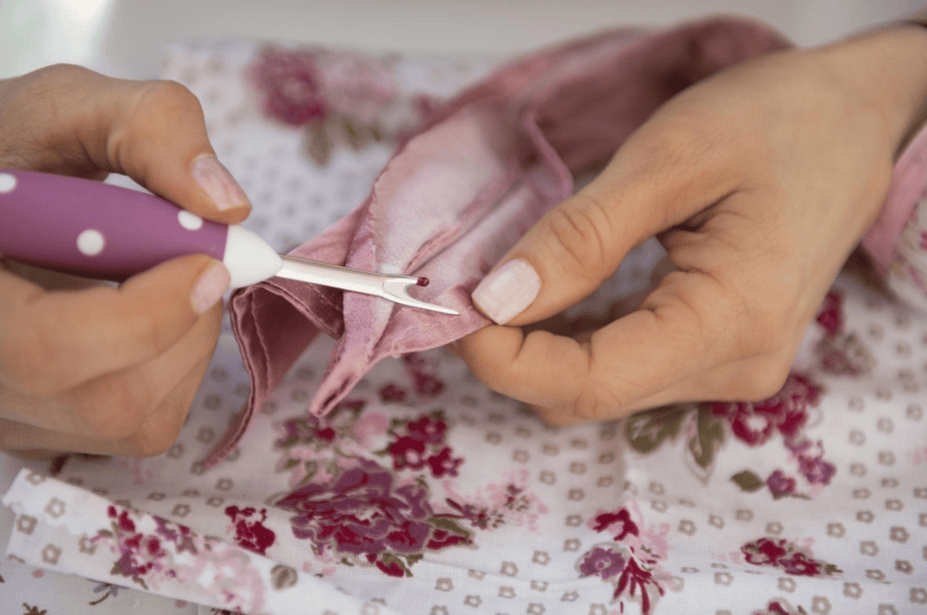
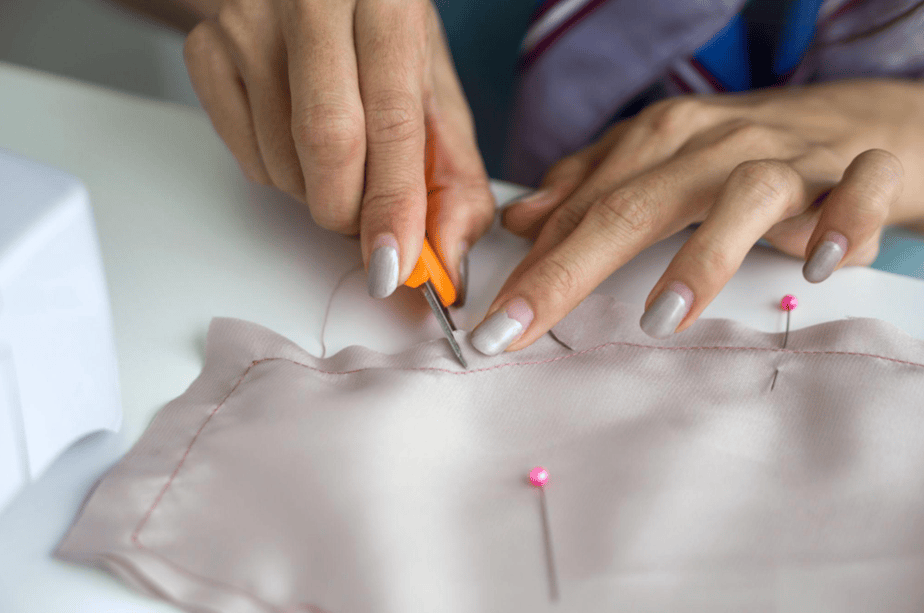
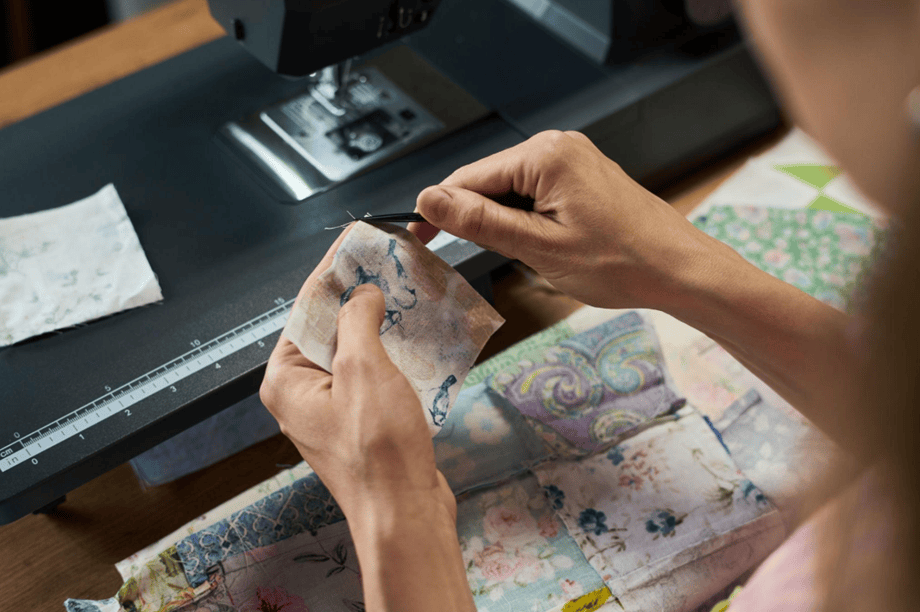
Nobody Notices What You Notice
One of the funniest things about crafting is that we can instantly spot every tiny flaw in our own work.
Everyone else simply sees the finished project.
The slightly uneven topstitch?
You know it's there.
Everyone else notices the lovely fabric.
The dropped stitch you quietly fixed three rows later?
Only you know where it happened.
Most of the time, we're our own toughest critics.
Progress Is Better Than Perfection
Imagine making ten projects this year.
The first won't look like the tenth.
That's exactly how it should be.
Every finished project builds your confidence, develops new skills and makes the next one easier.
If you waited until you could make something perfectly, you'd never experience that progress.
The only way to improve is to keep making.
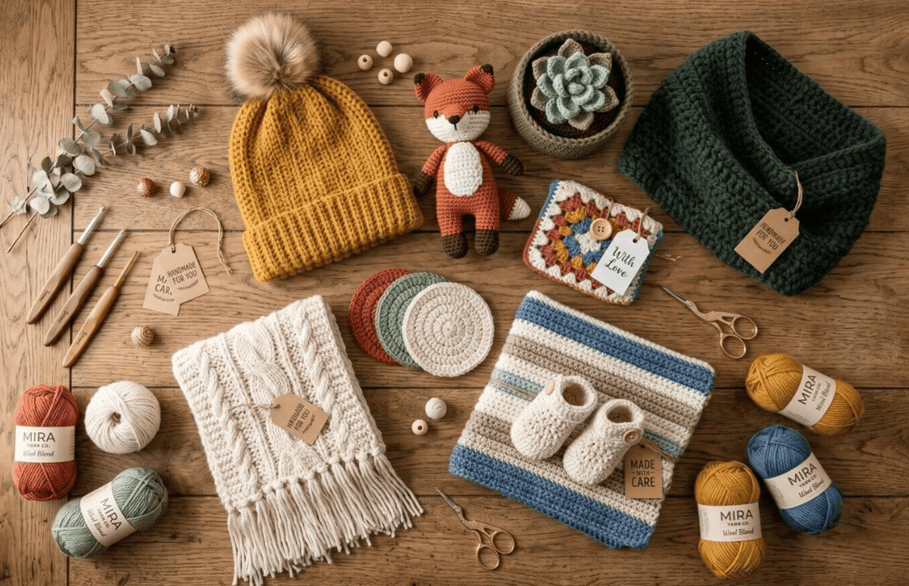

Handmade Has Character
Have you ever looked at something made by a grandparent or family member?
Perhaps a knitted blanket, a quilt or an embroidered tablecloth.
Chances are it isn't technically perfect.
Yet those are often the pieces we treasure most.
Why?
Because we remember the person who made them.
The time they spent.
The love they stitched into every row.
That's what handmade is really about.
Confidence Comes From Finishing
One unfinished project can quietly chip away at your confidence.
A finished project—even one with imperfections—does exactly the opposite.
It reminds you that you can learn.
That you can create.
That you can make something useful with your own hands.
Every completed project becomes another stepping stone towards greater confidence.

Celebrate Every Finish
The next time you finish a project, resist the urge to immediately point out everything you think is wrong with it.
Instead, ask yourself:
- What did I learn?
- Which part am I most pleased with?
- What would I do differently next time?
Notice that the final question isn't about what you did wrong.
It's about what you'll try next.
That's how confident makers grow.
Not by chasing perfection, but by enjoying the journey.
Final Thoughts
Every expert crafter once made wonky seams, uneven stitches and projects that didn't quite turn out as planned.
The difference is that they kept going.
So the next time you're tempted to start again because one stitch isn't perfect, remember this:
Finished is better than flawless.
Because the goal isn't to make something perfect.
The goal is to enjoy making something that couldn't have been made by anyone else but you.