Everything you need to know before you buy your first machine
Buying your first sewing machine is exciting, but it can also feel overwhelming. Walk into a sewing shop or browse online and you'll find hundreds of machines with dozens of different features, all claiming to be the perfect choice.
The good news is that you don't need an expensive machine to learn to sew.
In fact, many beginners are happier with a reliable, straightforward machine than one packed with features they'll never use.
This guide will help you understand what really matters so you can choose a sewing machine with confidence.
What Will You Be Sewing?
Before looking at machines, think about the projects you want to make.
Different machines suit different types of sewing.
- 🪡 Cushion covers and simple home projects
- 👗 Clothing and dressmaking
- 👜 Bags and accessories
- 🧸 Toys and gifts
- 🩳 Clothing alterations
For most beginners, a good general-purpose machine will comfortably handle all of these.
There's no need to specialise straight away.
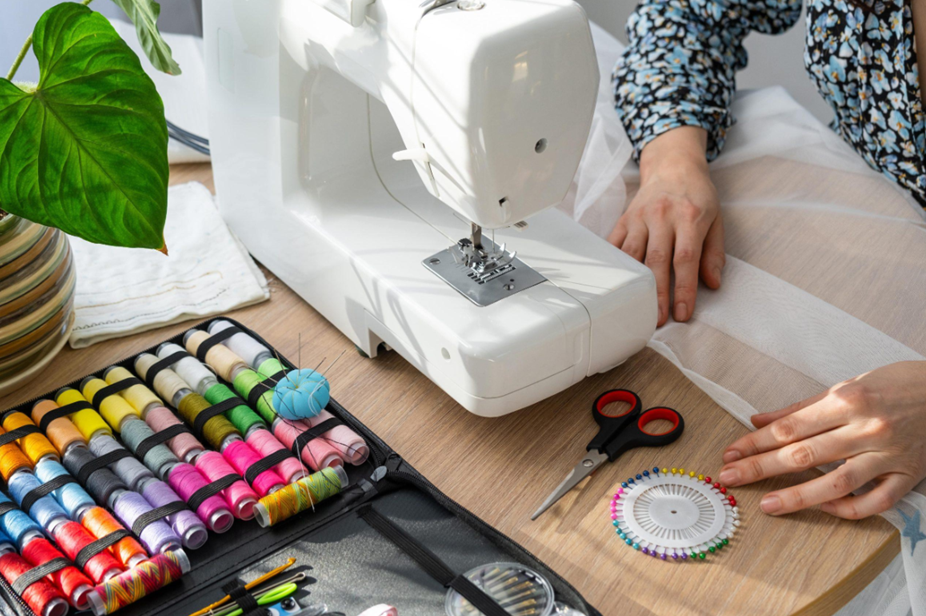
Don't Be Fooled By Hundreds of Stitch Options
One of the biggest marketing tricks is advertising machines with 150, 300 or even 500 stitches.
The truth?
Most sewists regularly use only a handful.
The stitches you'll use most are:
- ✔ Straight stitch
- ✔ Zigzag stitch
- ✔ Buttonhole stitch
- ✔ Stretch stitch (if sewing jersey fabrics)
Everything else is a bonus rather than a necessity.
If a machine has these stitches and does them well, you're already off to a great start.
Features Worth Paying For
Rather than lots of decorative stitches, look for features that genuinely make sewing easier.
Adjustable Stitch Length and Width
These allow you to adapt your stitching for different fabrics and projects.
Adjustable Needle Position
Helpful when inserting zips or topstitching.
Easy Bobbin Loading
A top-loading bobbin with a clear cover lets you quickly see when the thread is running low.
Reverse Stitch Lever
Essential for securing the beginning and end of your seams.
Good Lighting
Many modern machines include bright LED lights which make sewing much easier.
Free Arm
Perfect for sewing sleeves, cuffs and trouser legs.
Features You Can Ignore (For Now)
As a beginner, don't feel pressured into buying a machine because it has:
- Hundreds of decorative stitches
- Alphabet embroidery
- Automatic thread cutting
- Built-in memory
- Fancy computer screens
- Dozens of specialist presser feet
These can all be useful later, but they won't help you learn the basics.
Spend your budget on quality rather than gadgets.
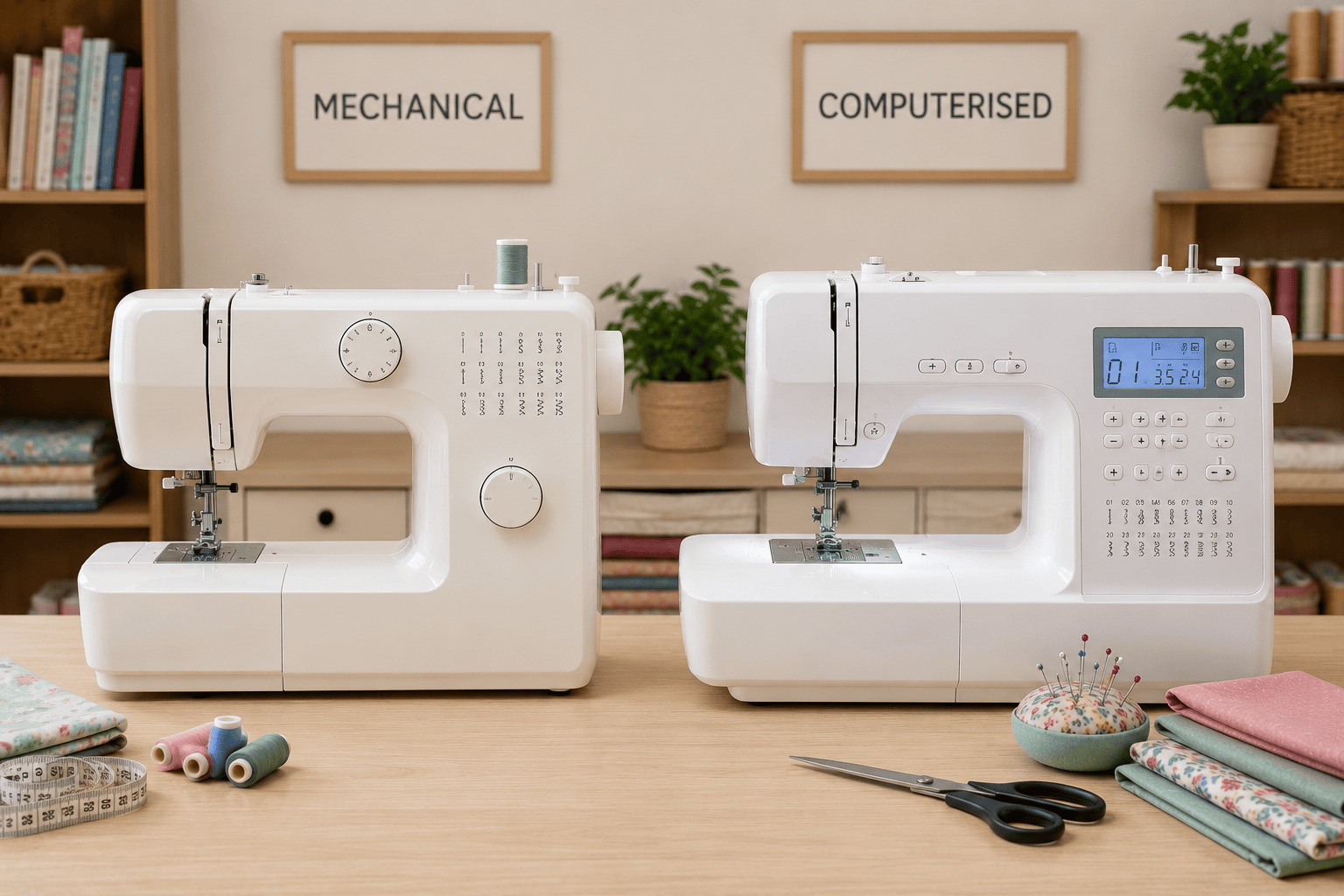
Mechanical or Computerised?
This is a question many beginners ask.
Mechanical Machines
✅ Usually cheaper
✅ Simple to operate
✅ Easy to understand
✅ Excellent for learning
Computerised Machines
✅ More automated features
✅ Often quieter
✅ More stitch options
✅ Great once you know what you enjoy sewing
Neither is automatically better.
A good-quality mechanical machine is often the perfect place to begin.
Should You Buy A Cheaper Machine?
It can be tempting to buy the cheapest machine available.
Unfortunately, very low-cost machines can sometimes make learning harder because they may:
- Skip stitches
- Struggle with thicker fabrics
- Feel less stable
- Be difficult to adjust
You don't need to spend a fortune, but buying the best machine your budget comfortably allows is usually worthwhile.
A reliable machine will make sewing far more enjoyable.
New or Second-Hand?
A second-hand machine can be an excellent option.
Many older machines were built to last and still sew beautifully today.
If buying used:
✔ Ask to see it sewing.
✔ Check that accessories are included.
✔ Make sure replacement parts are still available.
✔ If possible, buy from a reputable sewing machine dealer rather than an unknown online seller.
Don't Forget the Extras
Whichever machine you choose, you'll also need a few essentials:
- 🧵 Good quality thread
- ✂️ Fabric scissors
- 📌 Pins or sewing clips
- 📏 Tape measure
- 🪡 Spare machine needles
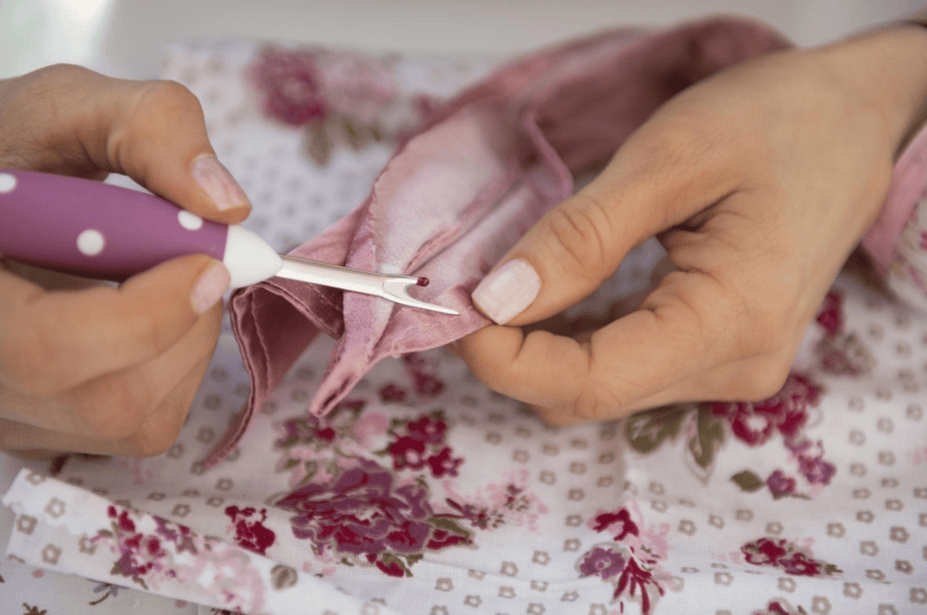
- 🧺 A seam ripper (everyone needs one!)
These simple tools will have a much bigger impact on your sewing than hundreds of decorative stitches.
Our Advice
If you're buying your first sewing machine, keep it simple.
Choose a machine that:
- ✔ Is easy to use
- ✔ Feels sturdy
- ✔ Comes from a reputable manufacturer
- ✔ Has good reviews
- ✔ Includes the basic stitches you'll actually use
Remember, it's your skills—not the price of your machine—that create beautiful projects.
The best sewing machine is the one that helps you enjoy sewing and encourages you to keep making.
Ready to Start Sewing?
Here at RE Treats, our beginner sewing workshops are designed to help you build confidence from your very first stitch.
Whether you've just bought your first machine or are wondering how to use one that's been sitting in a cupboard for years, we'll guide you through everything step by step in a relaxed and friendly environment.
Happy sewing! 🧵✨