Have you ever looked at something someone else has made and thought, I wish I could make things like that?
Perhaps you love the colours they use, the way they combine fabrics, the simplicity of their knitting or the tiny details they add to their embroidery.
It can be easy to assume that some people simply have a creative style and others don't.
But creative style isn't something you have to discover fully formed. It develops gradually, through the things you make, the choices you make and, perhaps most importantly, the things you enjoy.
What Is Creative Style?
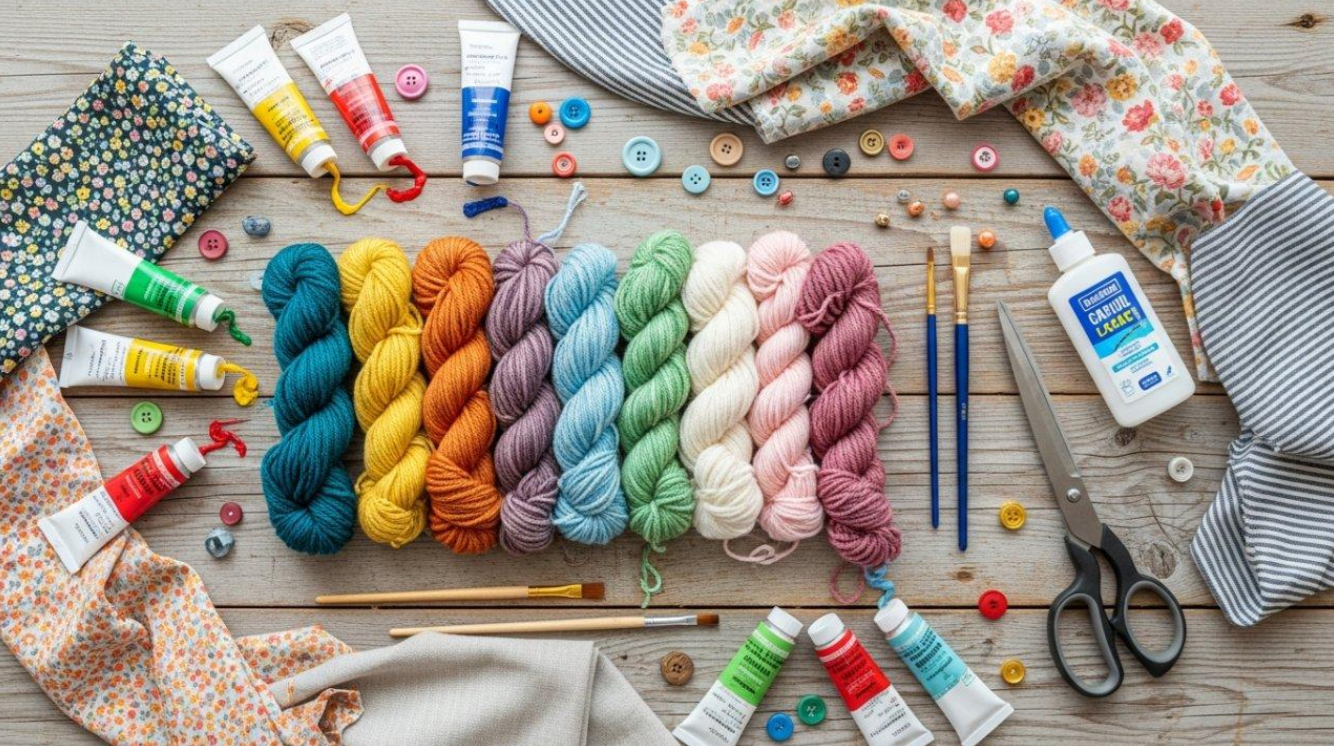
Creative style is simply the collection of choices that make something feel like you.
It might be the colours you repeatedly reach for.
It could be the materials you enjoy working with, the shapes you like, the amount of detail you prefer or even the types of projects you choose to make.
One person might love:
🧶 Soft natural yarns and muted colours
🌿 Simple shapes inspired by nature
🪡 Traditional techniques
🤍 Calm, uncluttered designs
Someone else might be drawn to:
🌈 Bright contrasting colours
✂️ Bold prints and patterns
✨ Lots of embellishment
🧵 Mixing different techniques together
Neither is more creative than the other.
They're simply different.
You Don't Need to Choose a Style
One of the easiest ways to make creativity feel difficult is to decide that you need to find your style before you can start making.
You don't.
In fact, trying lots of different things is one of the best ways to discover what you genuinely enjoy.
You might make a beautifully delicate embroidered project and realise that although you admire it, you actually prefer bold stitching.
You might buy neutral yarn because you love how it looks in photographs, only to discover that knitting with bright colour makes you much happier.
That's useful information.
Every project teaches you a little more about your creative preferences.
Notice What You Keep Choosing
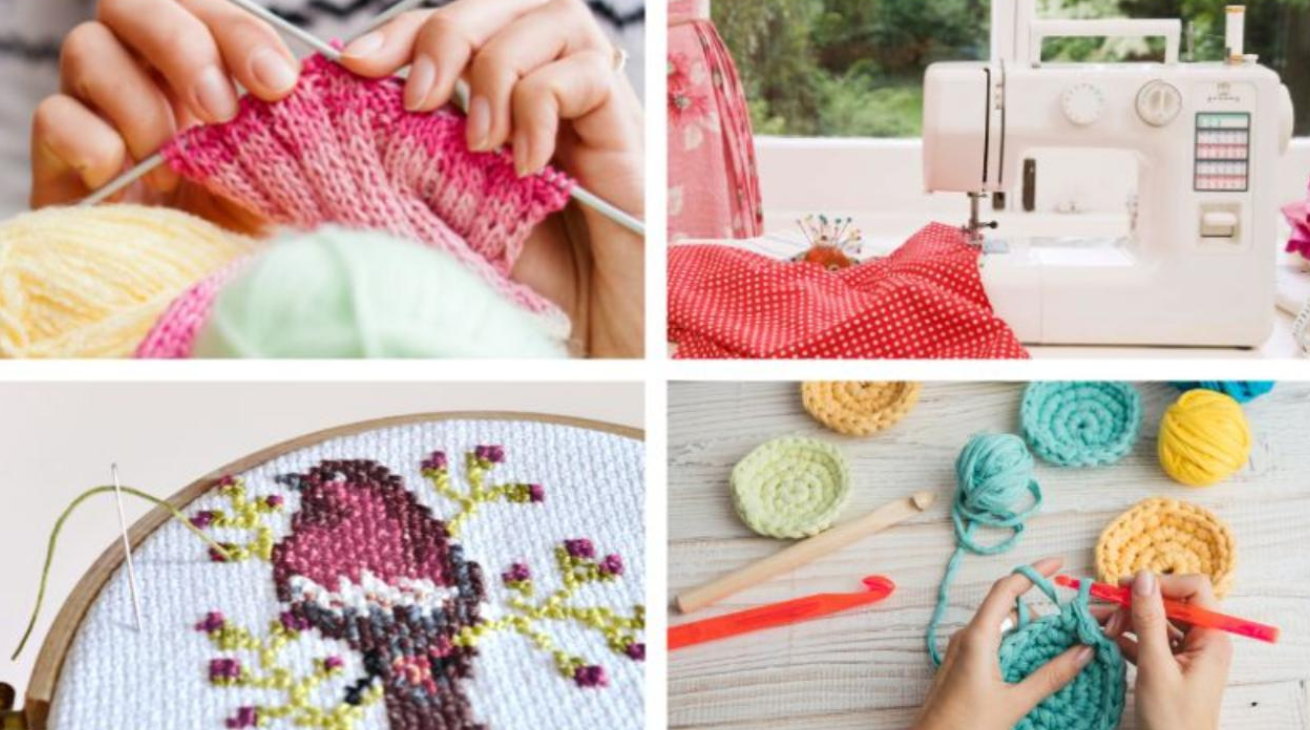
Take a look at the things you've already made, bought or saved for inspiration.
Are there similarities?
Perhaps you repeatedly choose blues and greens.
Maybe you love floral fabrics.
Perhaps your projects nearly always have a practical purpose.
Or you might discover that you particularly enjoy making small, detailed pieces rather than large projects.
Your preferences don't have to be particularly sophisticated. Even noticing "I really like making things with stripes" is part of developing your creative identity.
💡 Try this: Put five of your favourite makes together and look at them as a collection. What do they have in common?
You might notice something you hadn't spotted before.
Inspiration Isn't the Same as Copying
Learning from other makers is a completely normal part of being creative.
We learn techniques from books, patterns, workshops, videos and other people. We see colour combinations we hadn't considered or discover a completely new way of using a familiar material.
The important part is what happens next.
Perhaps you see a patchwork cushion you love, but choose completely different fabrics.
Maybe a knitted scarf inspires you to experiment with the same colour combination in crochet.
You might learn an embroidery stitch and eventually start combining it with your own selection of stitches and colours.
Inspiration gives you somewhere to begin.
Your choices are what gradually make the finished result your own.
Give Yourself Permission to Change Things
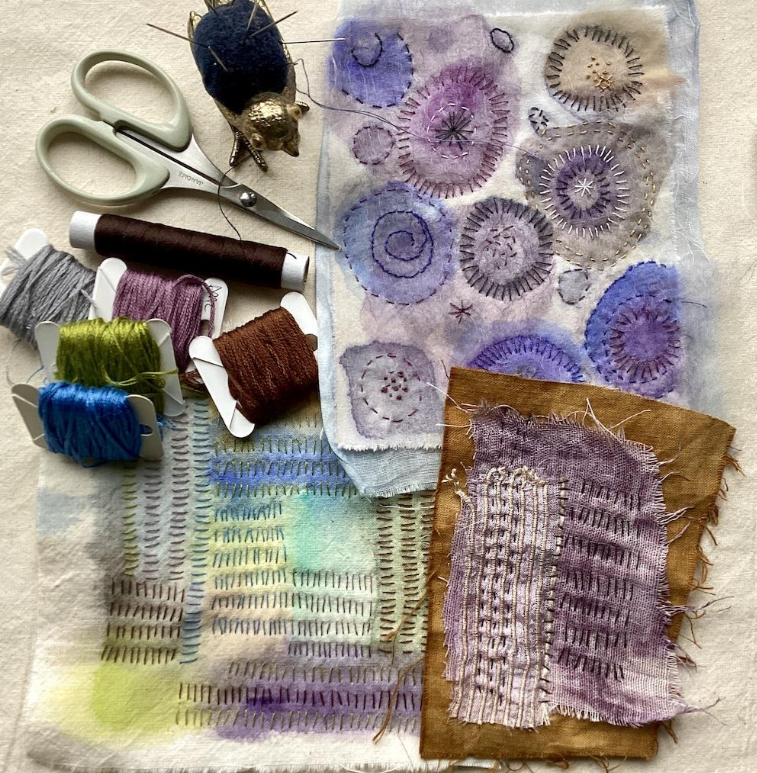
Following instructions exactly can be incredibly helpful when you're learning a new skill.
But once you understand what you're doing, you can start asking:
What would happen if I changed this?
Could you use a different colour?
Could you make it larger?
Could you leave something out?
Could you add an extra detail?
Could you use a technique you've learnt on another project?
Small changes are often the beginning of creative confidence.
You don't have to redesign an entire project. Changing one little element because you prefer it that way is enough.
Mistakes Can Influence Your Style Too
Not every creative discovery is intentional.
Sometimes something goes differently from the plan and you have to find another solution.
You add an extra piece of fabric.
You embroider over something.
You change the border.
You introduce another colour because you've run out of yarn.
And occasionally the solution becomes your favourite part of the project.
Creativity isn't always about knowing exactly what you're going to make before you begin. Sometimes it's about responding to what happens along the way.
Don't Let Trends Guide Your Style
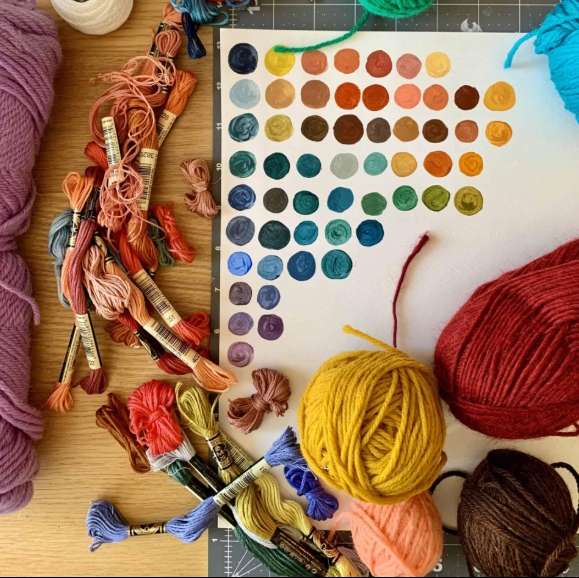
Craft has trends just like fashion and interiors.
Certain colours suddenly appear everywhere. Particular quilt designs become popular. Everyone seems to be crocheting the same thing.
There's nothing wrong with enjoying trends, but you don't have to change what you love because something else is currently fashionable.
If you adore bright colours when everyone else is using beige, use the bright colours.
If you love traditional embroidery when contemporary designs are everywhere, keep stitching traditionally.
Your creative style should reflect what makes you want to keep making.
Experiment Without Expecting a Finished Project
Not everything you make has to become something.
Sometimes it's worth taking a scrap of fabric, a small amount of yarn or a piece of paper and simply experimenting.
🧵 Try several embroidery stitches together.
🧶 Knit or crochet a few colour combinations.
✂️ Arrange fabric scraps until you find a combination you love.
🪡 Test decorative stitches on your sewing machine.
There doesn't need to be a finished item at the end.
Experimenting without worrying about the outcome gives you the freedom to discover what you like.
Your Style Will Keep Changing
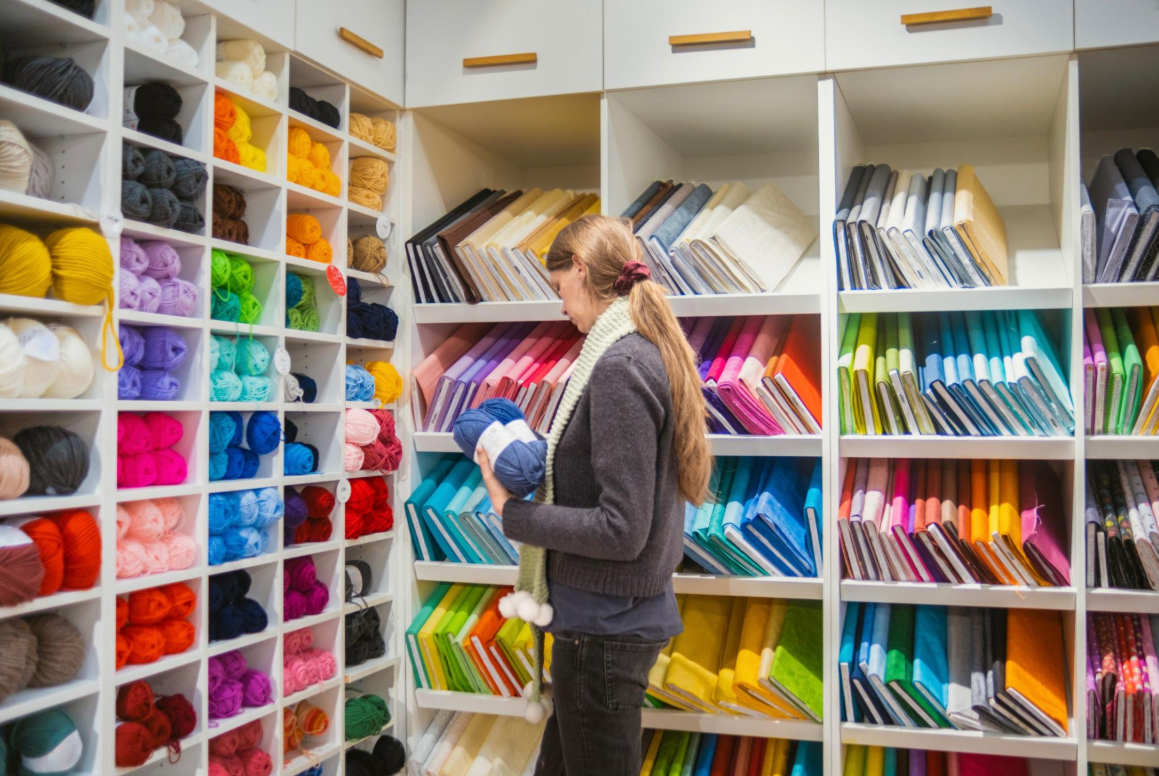
The things you enjoy making today may be completely different from the things you enjoy making in five years' time.
That's part of the fun.
As your skills develop, you'll discover new techniques, materials and ideas. Something that once seemed far too complicated might become one of your favourite things to make.
Your circumstances change too. You might have more time, less space, different interests or simply fancy trying something new.
Creative style isn't a destination you eventually reach.
It grows alongside you.
Start With What You Like
If you're still wondering what your creative style might be, don't worry about trying to define it.
Instead, start with a much easier question:
What do I like?
Choose the colour that makes you happy.
Pick the fabric you keep coming back to.
Try the technique you've been curious about.
Change the pattern when you have an idea you'd like to explore.
And make things that you actually want to make.
Eventually, you may look at a collection of your projects and realise there are little connections running through them.
Those choices, preferences and experiments are your creative style — and the best part is that it is completely free to keep evolving.