Walking into a craft shop for the first time can be overwhelming.
Straight needles, circular needles, double-pointed needles. Bamboo, wood, metal and plastic. Then there are all the different sizes!
If you've ever stood in front of the knitting aisle wondering where to start, you're not alone.
The good news is that choosing your first pair of knitting needles is much simpler than it appears. You don't need expensive equipment or a drawer full of different sizes to begin enjoying knitting.
Here's everything you need to know.
Start with the Right Size
One of the biggest mistakes beginners make is choosing needles that are either too small or too large.
Very small needles can make stitches feel tight and difficult to work with, while very large needles can make your knitting loose and difficult to control.
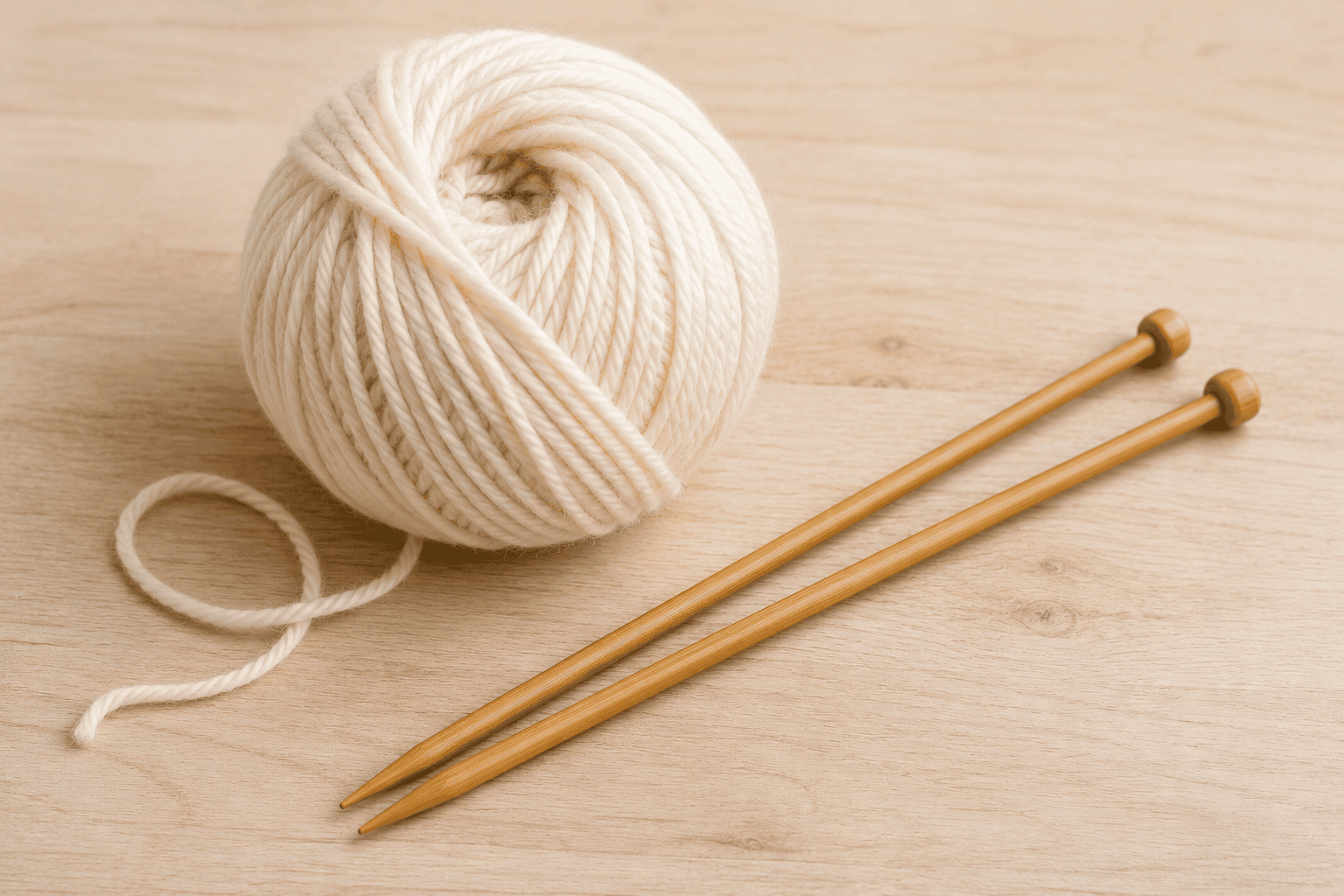
For most beginners, a 4mm pair of needles is an excellent place to start.
These sizes are comfortable to hold, easy to learn with and work well with many popular yarns, we recommend double knit to start with.
Always check the yarn label, as it will usually recommend an appropriate needle size.
Which Material is Best?
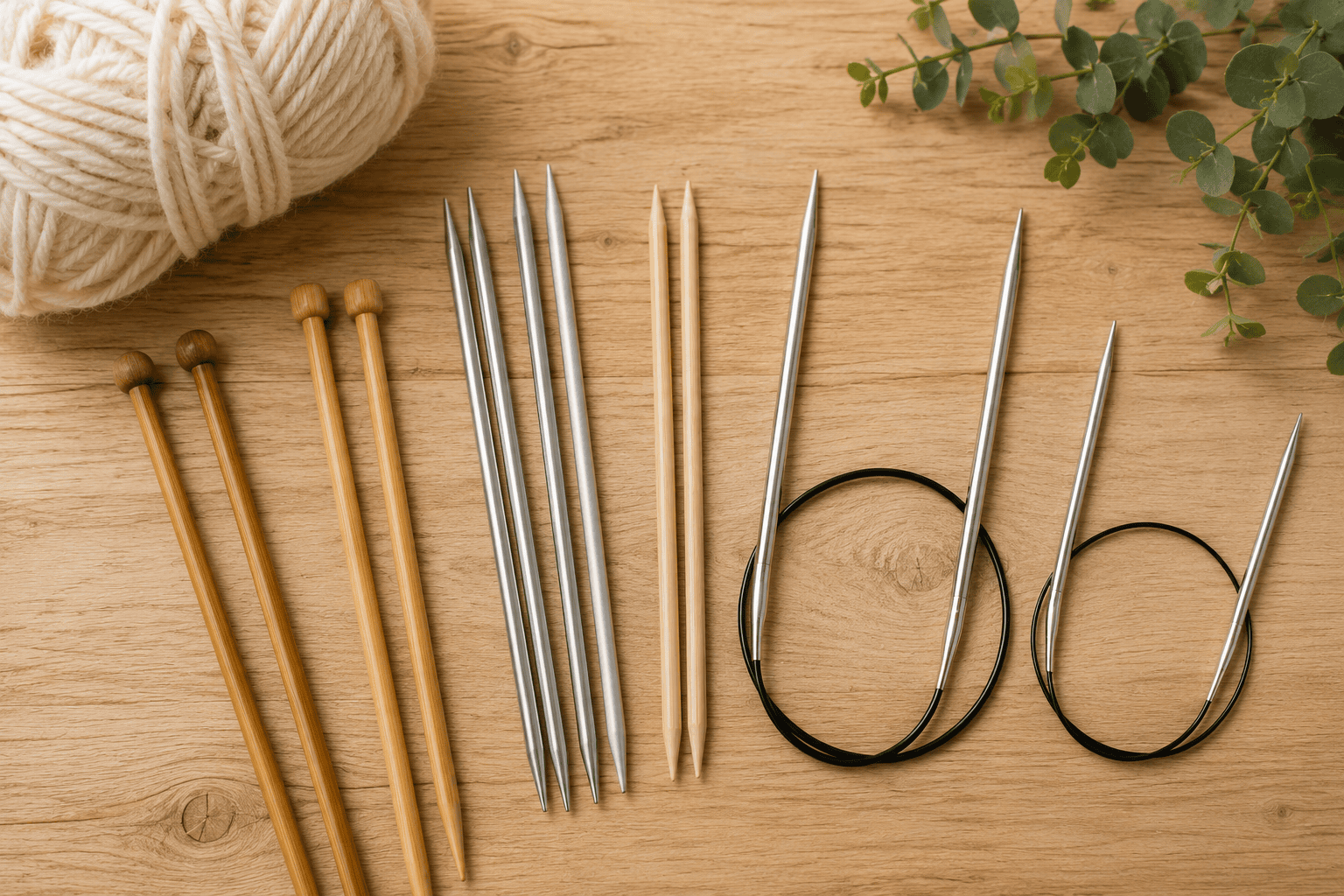
Knitting needles are made from several different materials, each with its own feel.
Bamboo or Wooden Needles
These are often the best choice for beginners.
The slightly textured surface helps stop stitches sliding off the needle, giving you a little more control while you're learning.
They also feel warm and comfortable to hold.
Metal Needles
Metal needles are smooth and allow stitches to glide quickly.
Many experienced knitters love them because they make knitting faster, but beginners sometimes find their stitches slip a little too easily.
Plastic Needles
Plastic needles are lightweight and inexpensive.
They're perfectly suitable for learning, although they can feel less durable than wood or metal over time.
Straight or Circular Needles?
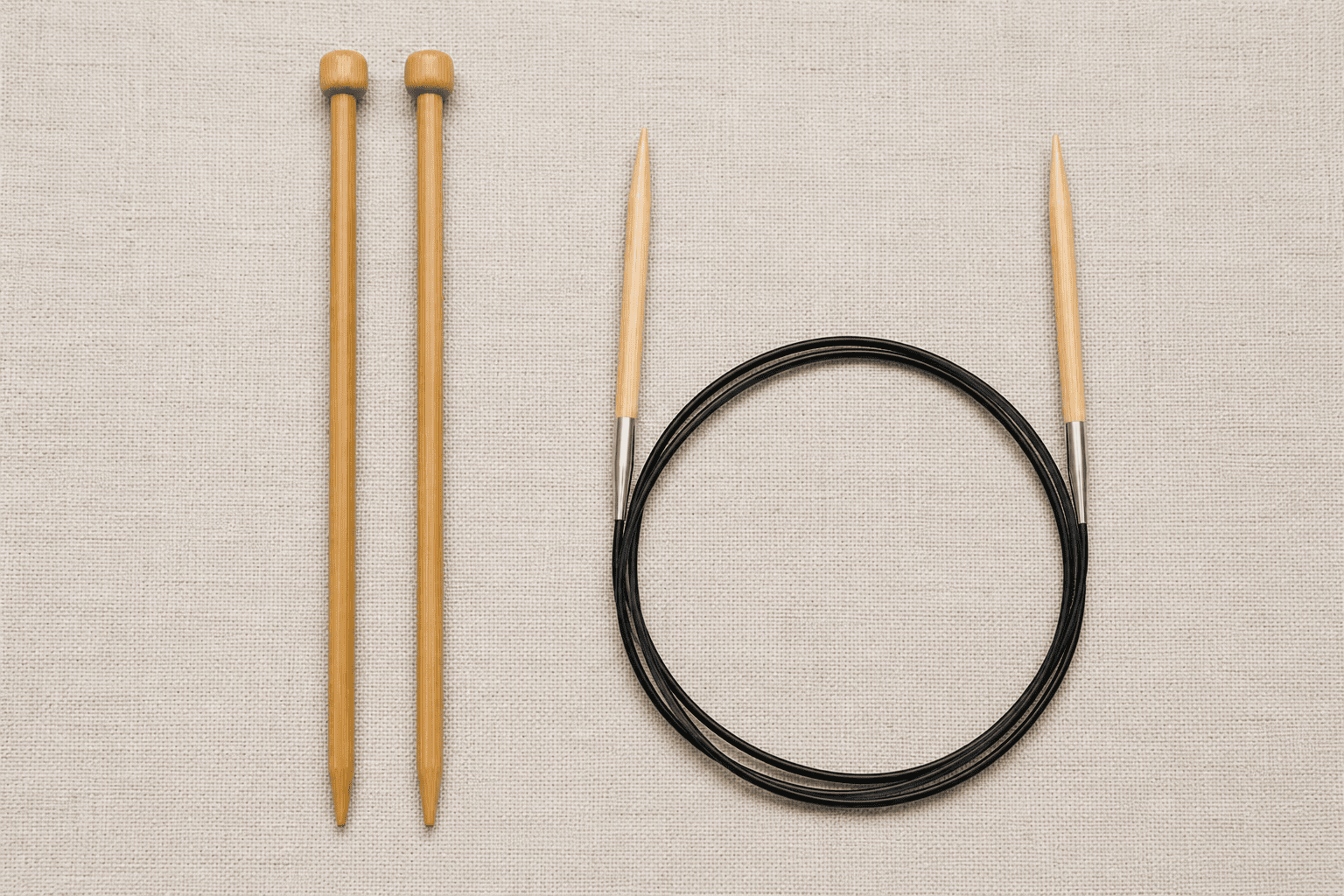
Many people think beginners should always start with straight needles.
While they are a great option, they're not the only choice.
Straight Needles
Perfect for learning the basics.
They're ideal for scarves, dishcloths and other flat projects.
Circular Needles
Despite the name, circular needles aren't only for knitting in the round.
Many knitters use them for flat projects too because they comfortably support the weight of the knitting.
If you know you'll continue knitting, investing in a pair of circular needles can be a great long-term choice.
Don't Worry About Expensive Brands
It's easy to think buying the most expensive needles will make learning easier.
In reality, the best knitting needles are the ones that feel comfortable in your hands.
Many excellent beginner needles are available at very reasonable prices.
As your confidence grows, you'll naturally discover which styles and materials you enjoy using most.
Buy Needles for Your Project
Rather than buying lots of different sizes "just in case," choose the needles recommended for the project you're making.
This keeps things simple and means you'll gradually build a useful collection over time.
Remember—There Isn't One Perfect Needle
Ask ten knitters which needles they prefer and you'll probably get ten different answers.
Some love bamboo.
Others wouldn't use anything except metal.
Some knit everything on circular needles.
Others still enjoy traditional straight needles.
That's perfectly normal.
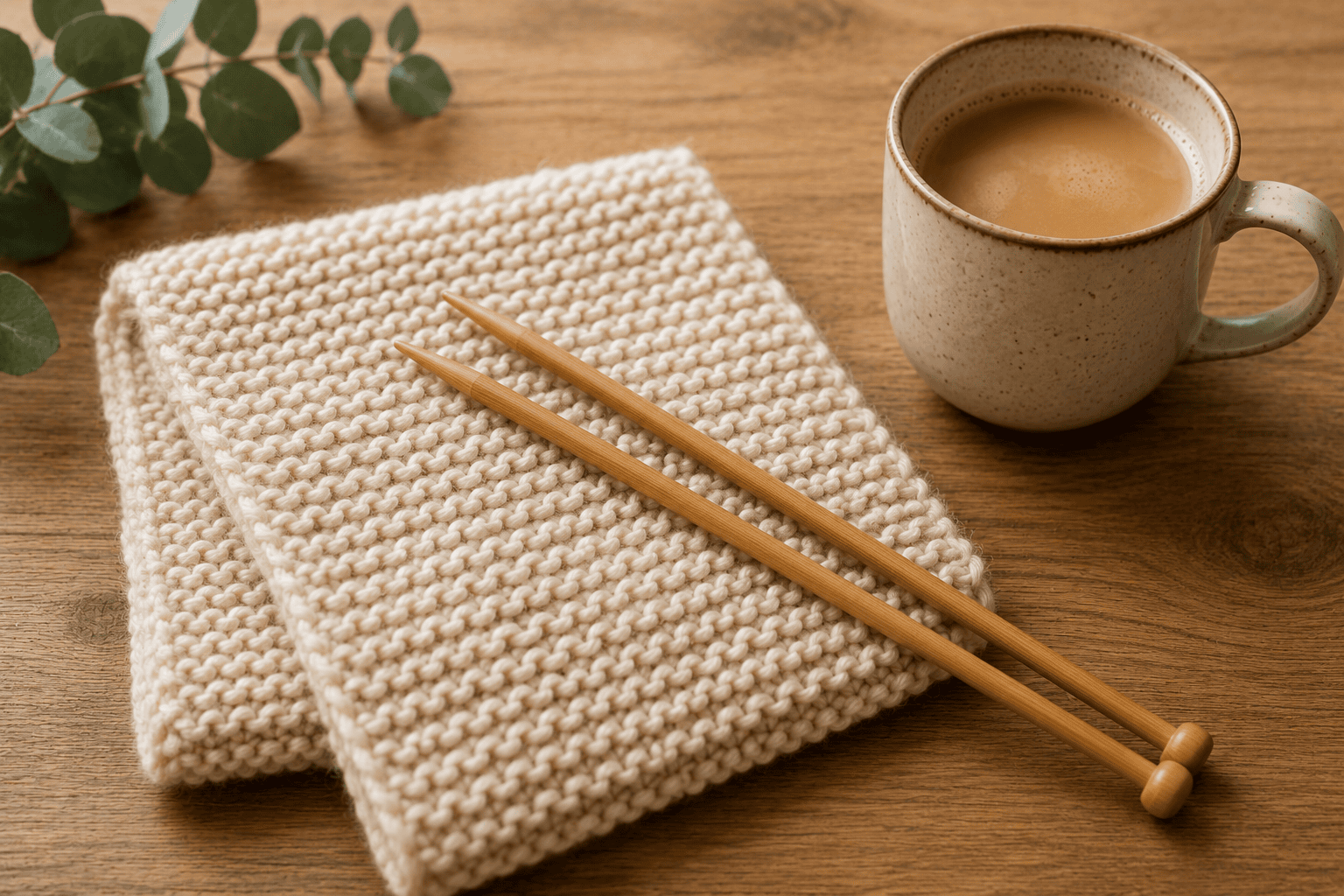
Choosing knitting needles is a little like choosing a favourite pen—it's personal.
Final Thoughts
Your first pair of knitting needles doesn't need to be perfect.
It simply needs to help you get started.
Choose a comfortable size, a material that feels good in your hands and a simple project that excites you.
Before long, you'll discover your own preferences and develop the confidence to try different tools and techniques.
After all, every experienced knitter started with their very first pair of needles.
Top Tip
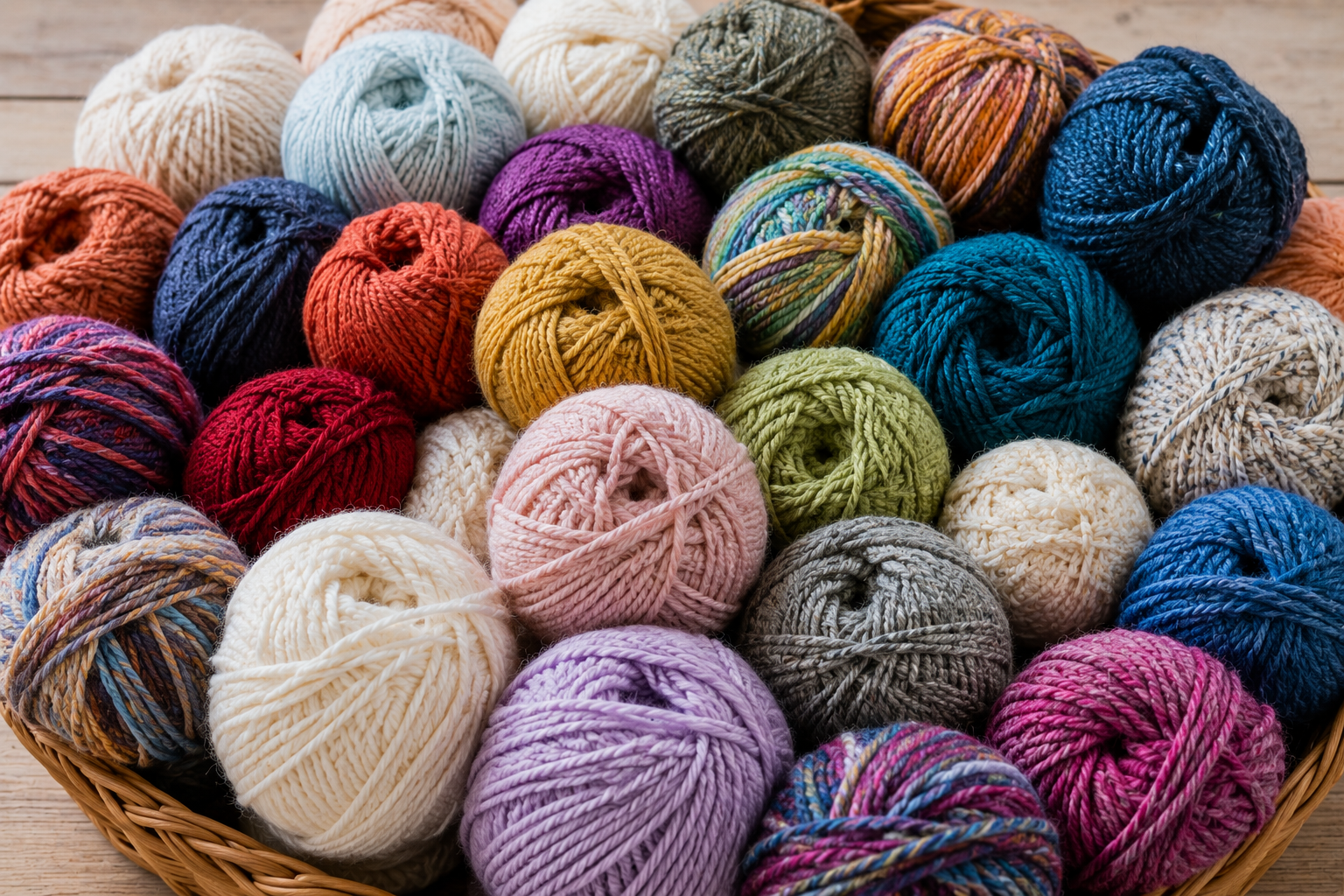
🧶 If you're completely new to knitting, I'd recommend starting with a pair of 4mm or 5mm bamboo needles and a smooth, light-coloured double knitting (DK) yarn.
Light-coloured yarn makes it much easier to see your stitches while you're learning, helping you build confidence from the very first row.